Showing posts with label Adriatic. Show all posts

Monday, 7 August 2017

Lošinj, Croatia


If you’re interested in The Adriatic, it won’t have escaped your attention that it hasn’t escaped anybody else’s attention either. Some of the more popular places are almost overwhelmed by the volume of tourism and some are already taking steps to moderate the pressure on their facilities. That fact is, it’s quite hard to enjoy being a tourist when surrounded by hundreds or thousands of other people all trying to do the same.
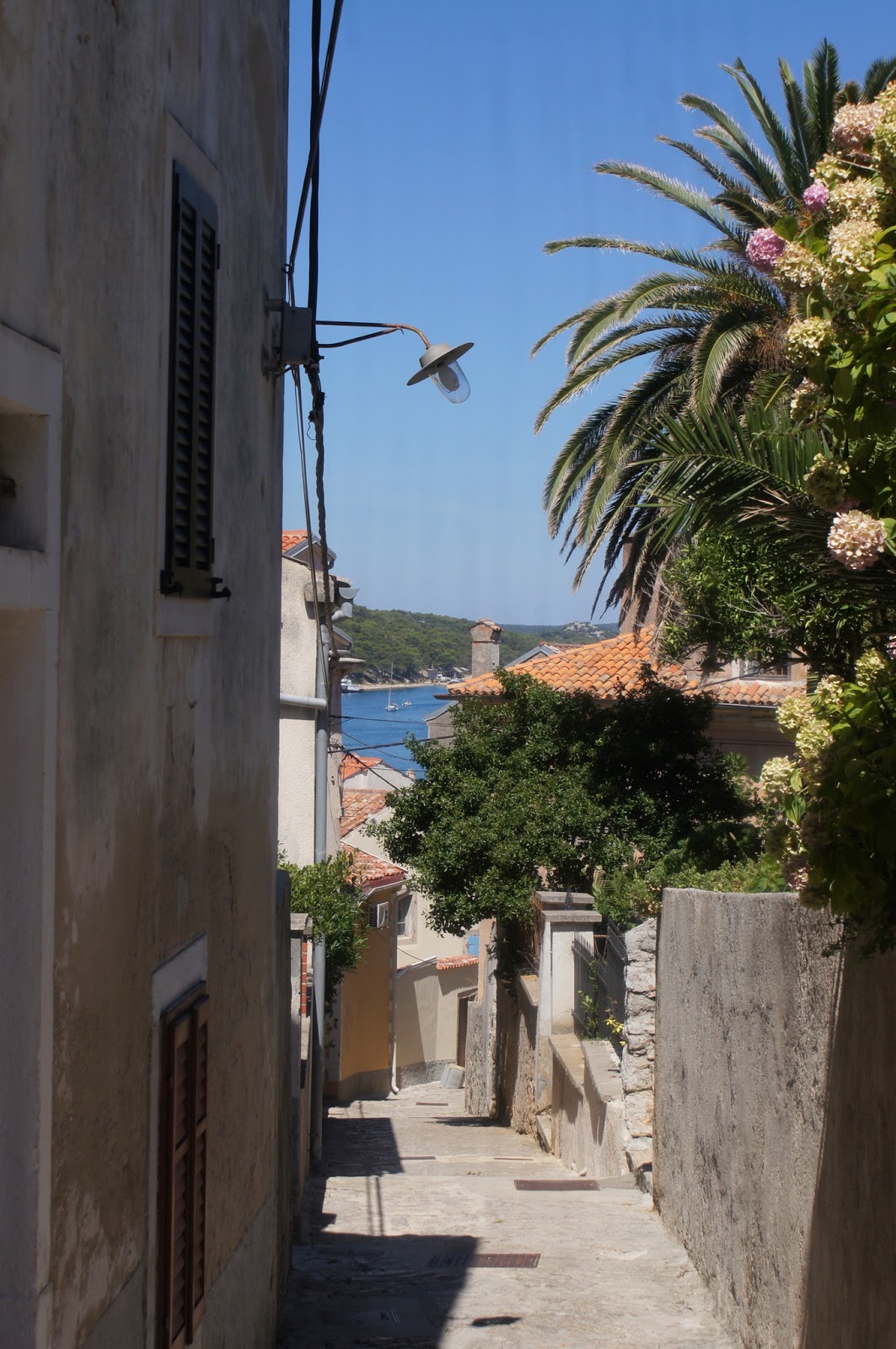


Step forward the island of Lošinj, which adds to its numerous attractions the absence of an airport. Though you can fly in by light aircraft or seaplane, the bulk of tourists are dependent upon ships. Last year the island was praised by The Independent newspaper as an overlooked jewel.

I can confirm that the little port of Mali Lošinj is far from overpopulated. Tourists here do seem to have room to breathe. When we visited it was also significantly cooler than our earlier stops, (a blessing). Perhaps this is why it has been called the island of vitality.

Sunday, 6 August 2017

Hvar Island, Croatia


I’m inclined to wonder why Admiral Sir Thomas Fremantle isn’t more famous. Hvar Island is another example of the outstanding achievements of his frigate squadron in The Adriatic during the closing years of the Naopleonic Wars. Again, considering that the fortress overlooking its harbour is as formidable as that of Kotor, the success of these relatively small ships in subduing the local French garrisons is quite remarkable.


Like Korčula, Hvar was controlled by pirates and necessarily subdued by the Venetians in the early years of their empire. It also followed a similar path through to the independence of Croatia in 1991.
Last time we visited, we climbed up to the fortress, from which the view is grand. This year it was too hot for such exertions and we contented ourselves with a pleasant walk through the back streets to the monastery and back along the seafront, where boating and water-sports are very popular.


The Old Town is beautifully preserved, with a spacious central plaza in front of the cathedral. Sadly we couldn’t walk up and down it in the relative cool of the evening, because by then we’d already sailed for our penultimate port of call.

Friday, 4 August 2017

Dubrovnik, Croatia


Historically the Republic of Ragusa, Dubrovnik’s prosperity was built upon maritime trade and foreign settlements, making it a thalassocracy. This brought it into rivalry with Venice, which actually ruled Ragusa in the 13th and 14th centuries.


After the great earthquake of 1667 it never really regained its former prominence and for several centuries maintained its independence only as a vassal of The Ottoman Empire. After the Napoleonic Wars Ragusa passed under the control of Austria-Hungary and was incorporated into Yugoslavia after the First World War.


During the breakup of Yugoslavia in 1991 the city of Dubrovnik was besieged and much damage done by shelling, requiring much reconstruction after 1995. You can still see the difference in colour between old and new roofs when looking at pictures of the Old City from above.


A walk around the city walls today is neither cheap nor in summer heat all that easy, but it leads one to appreciate the work that has been done to restore ‘The Pearl of the Adriatic’ to its former glory.

Thursday, 3 August 2017

Kotor, Montenegro (Cattaro in Italian)

Kotor, Montenegro


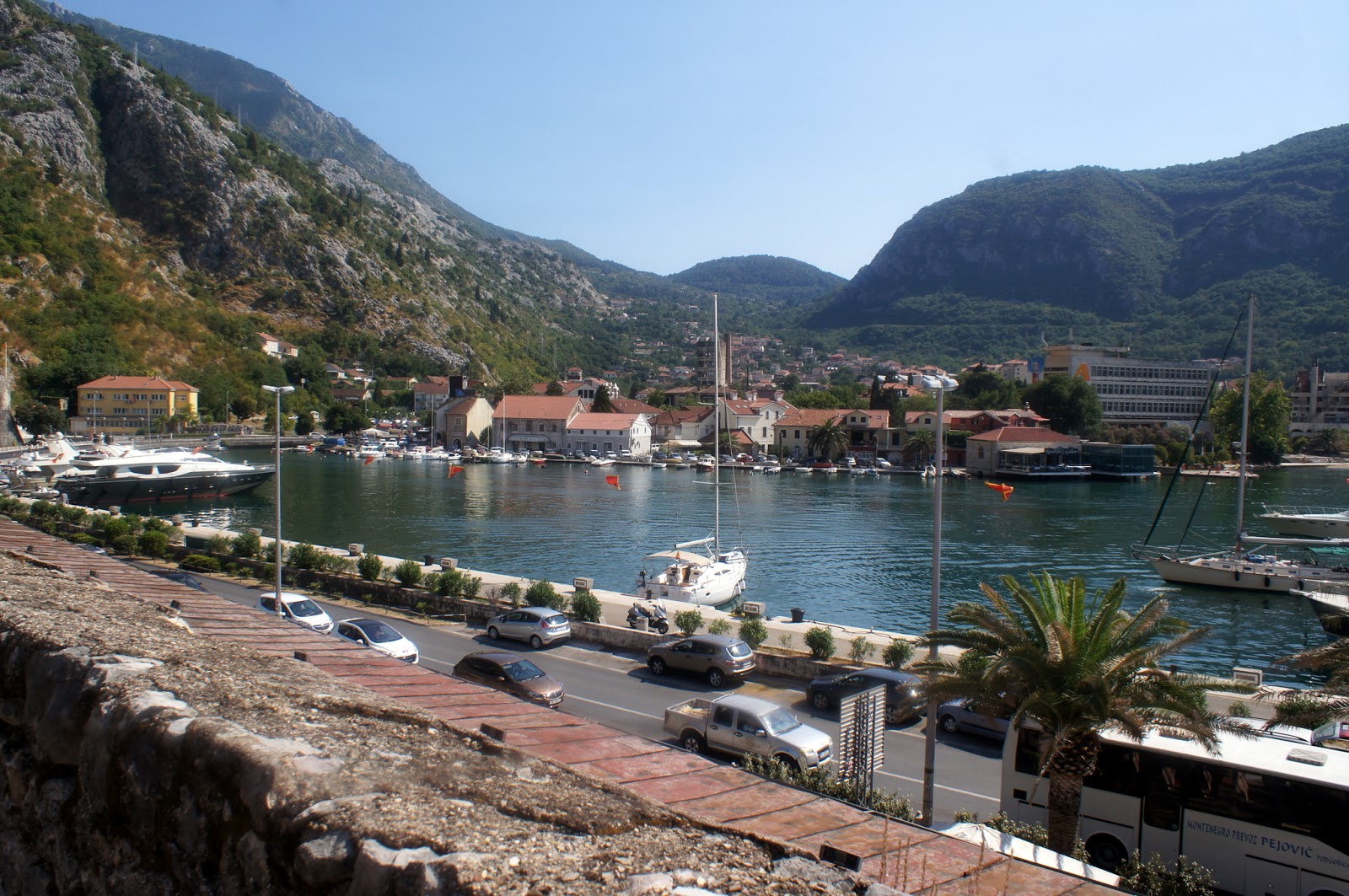
A while ago, accusations flew around that Russia had tried to engineer a coup in Montenegro to prevent it joining NATO. If so, the object of the exercise was probably the port of Kotor, which would have given Russia an Adriatic foothold.

In their day, the Venetians, who held the place almost 400 years, the French and the Austrians all thought the same. The natural harbour was relatively easy to defend and its sheltered waters could hold an entire fleet without difficulty.

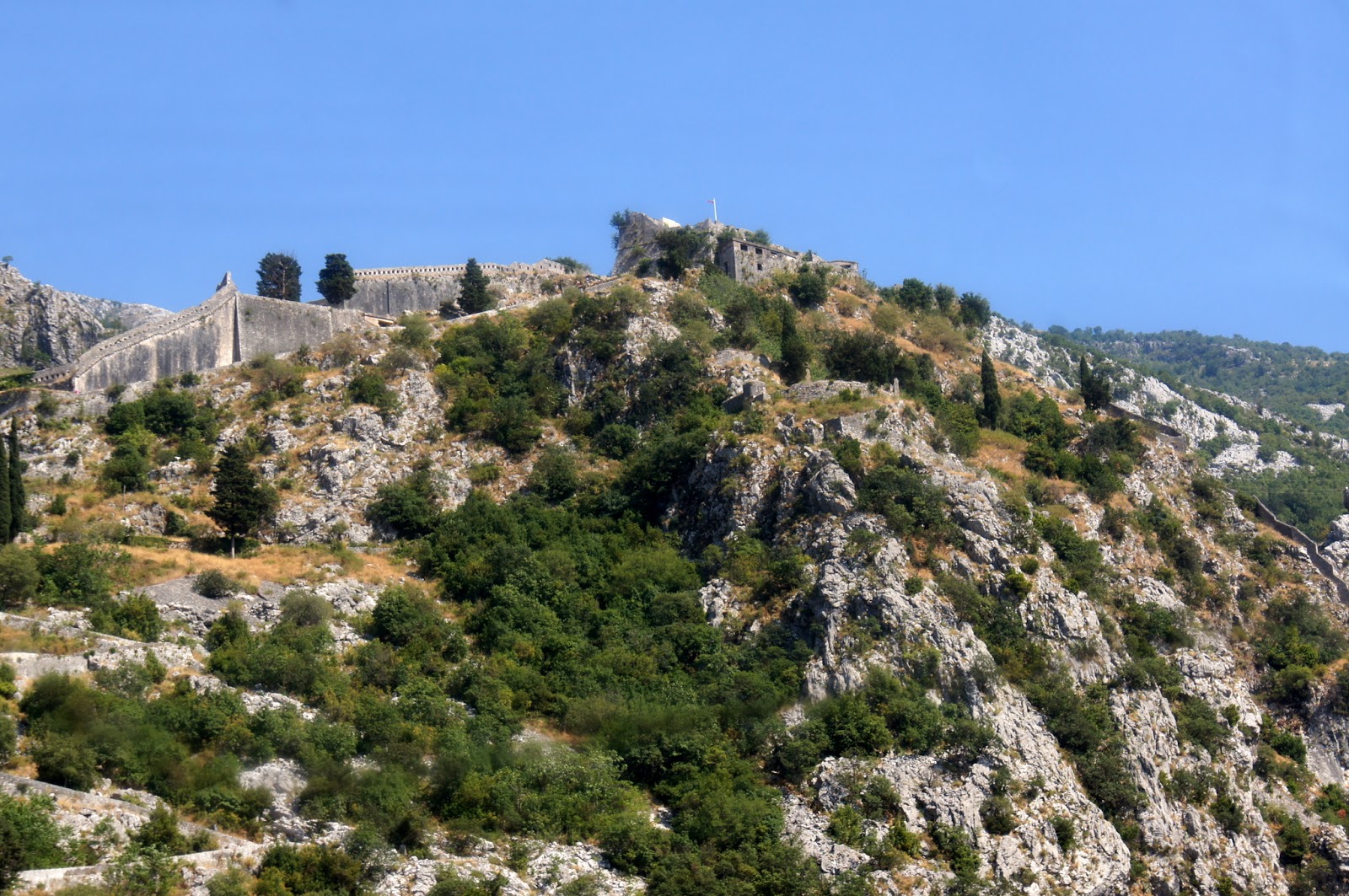
Castle of St John, Cattaro
During the Napoleonic Wars Cattaro was the scene of a little known but brilliant campaign. In 1813 the French garrison under Gauthier was besieged by a Montenegrin force but able to hold out because it could be supplied by sea.

Captain John Harper’s 18-gun Royal Navy brig Saracen arrived in November to assist the besiegers. Unable to sail up the long dog-leg, mountain-girt fjord to the fortress, Harper rigged tow ropes and had local people physically drag his ship into the huge inner harbour, where she made re-supply impossible.


However the French could still withstand a siege as long as they held the Castle of St John, whose guns commanded the port from its site half way up the mountainside.

Harper dismounted an 18 pounder cannon from his ship and set his crew to haul it to the top of the mountain, later assisted by The frigate Bacchante’s arrival with a substantially larger crew. The operation took a month, but finally succeeded. With his fortress under bombardment from above, the French general was obliged to surrender.

I contemplated the climb up to the castle but decided it was too much in the heat. The view Gauthier enjoyed is said to be spectacular and an assault against the Venetian defences would have been costly.


There is much to enjoy in the little town itself, which abounds with merchant palaces, interesting churches and fortifications.